
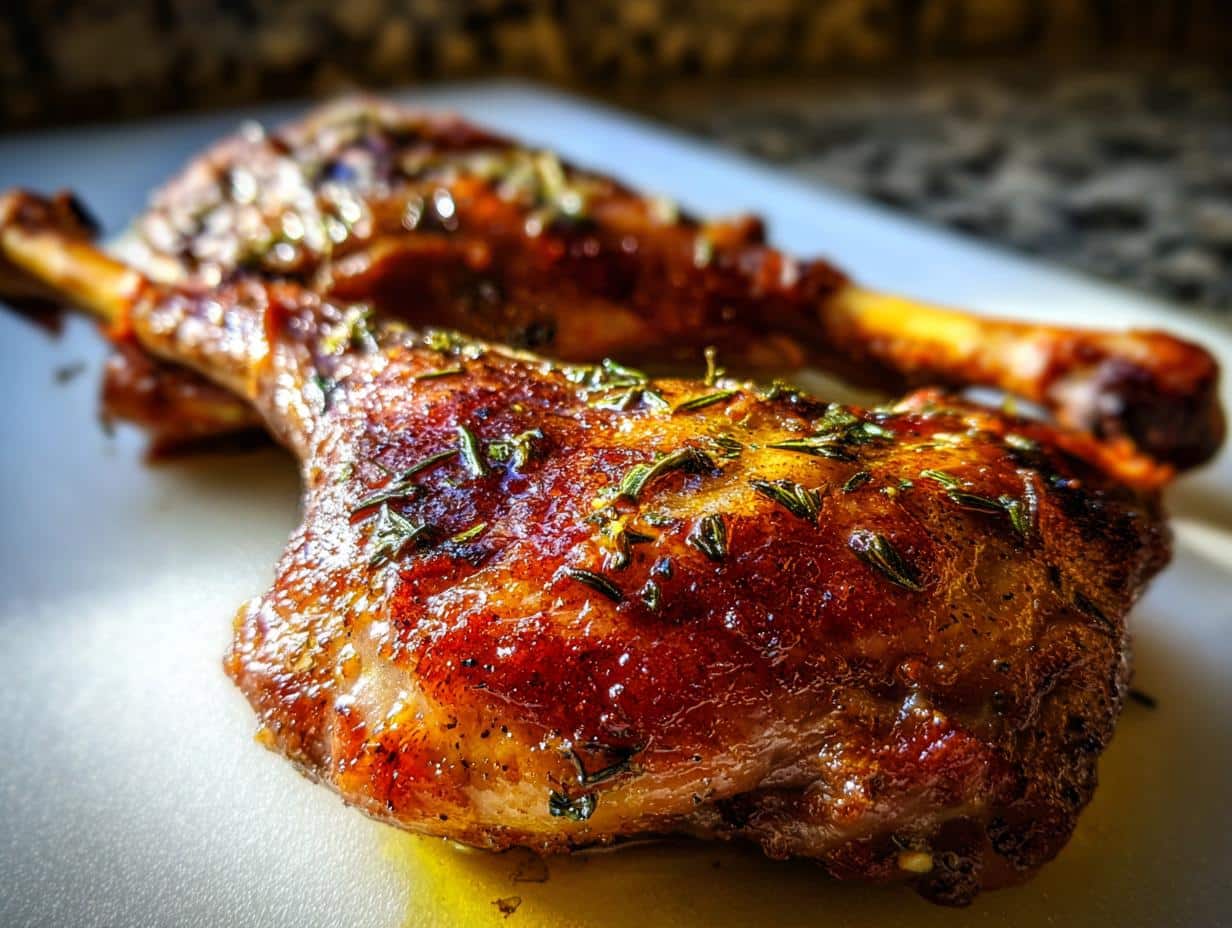
Oh, let me tell you about the sheer joy of baked duck legs! These succulent beauties are a staple in French cuisine, and once you try them, you’ll understand why. With their rich flavor and crispy skin, they bring a touch of elegance to any dining table without requiring a culinary degree to prepare. I mean, who wouldn’t want to impress their guests with a dish that looks and tastes gourmet?
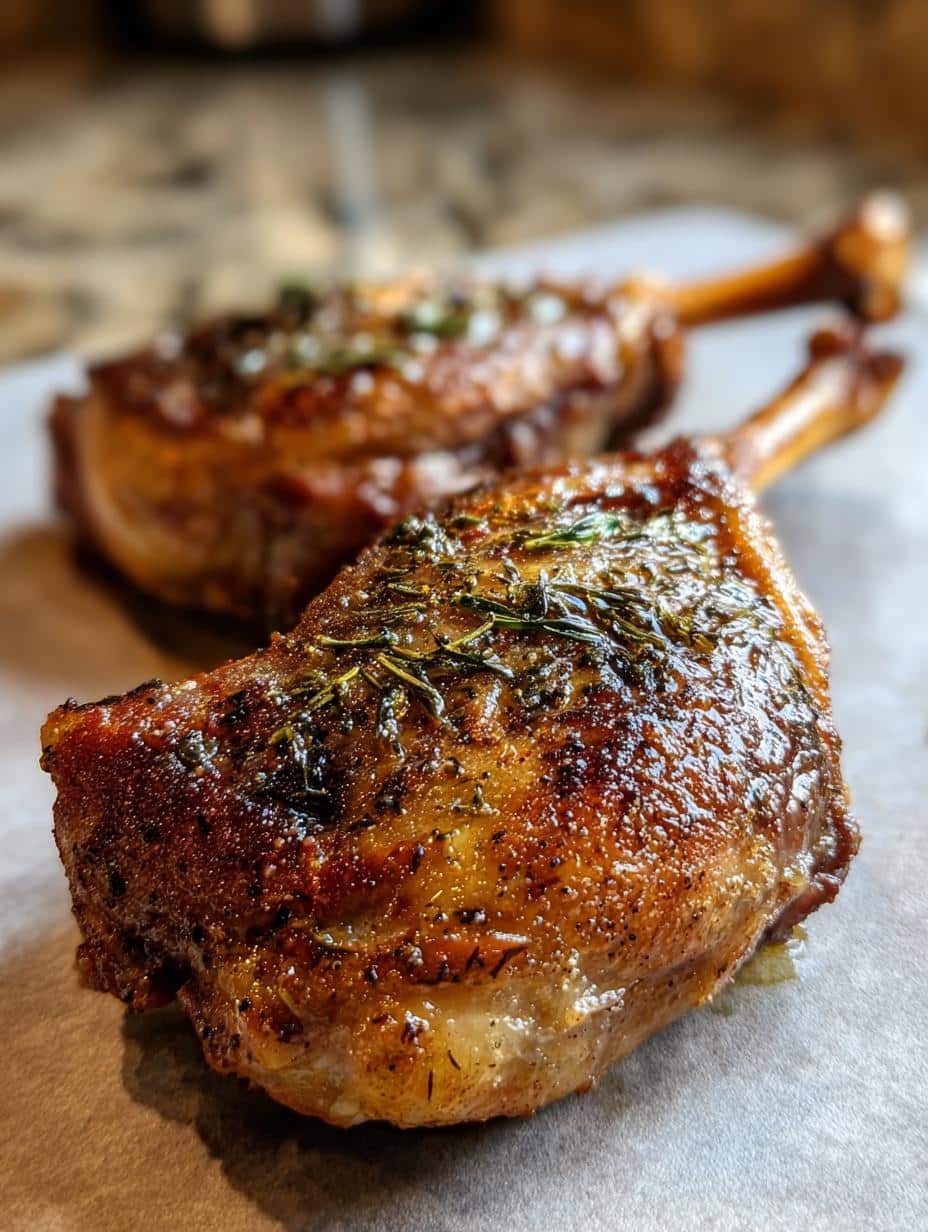
Imagine sinking your fork into tender, juicy meat that’s been perfectly seasoned and roasted to golden perfection. Each bite is a delightful mix of savory goodness and succulent texture. Plus, with 32 grams of protein per serving, they’re not just delicious—they’re satisfying too! Whether it’s a cozy family dinner or an upscale gathering, these baked duck legs are sure to steal the show.
So, grab your apron, and let’s dive into this delightful recipe that’s as approachable as it is impressive!
Ingredients List
To create these mouthwatering baked duck legs, you’ll need the following ingredients:
- 4 duck legs
- 2 tablespoons olive oil
- 1 teaspoon salt
- 1 teaspoon black pepper
- 2 cloves garlic, minced
- 1 teaspoon thyme
- 1 teaspoon rosemary
- 1 lemon, juiced
Each ingredient plays a vital role in creating that unforgettable flavor and texture. So, make sure to have everything prepped and ready before you start cooking!
How to Prepare Baked Duck Legs
Now that you have your ingredients ready, let’s get into the nitty-gritty of preparing those delicious baked duck legs! I promise, it’s simpler than it sounds, and the results are absolutely worth it.
Preheat the Oven
First things first: you’ll want to preheat your oven to 375°F (190°C). This step is super important because it ensures your duck legs begin cooking evenly right from the start. A well-preheated oven helps to achieve that beautifully crispy skin we’re all after. So, set your timer and let the oven do its thing while you prep the rest!
Prepare the Duck Legs
Next up, grab those duck legs and pat them dry with some paper towels. This might seem like a small step, but trust me, it’s crucial! Drying the skin helps it get that lovely crispiness you’re dreaming of. Once they’re dry, drizzle the olive oil over the legs, and sprinkle on that salt and pepper. Make sure to rub it in well—get your hands in there! You want every inch of the meat seasoned for maximum flavor.
Create the Herb Mixture
Now for the fun part! In a bowl, mix together the minced garlic, thyme, rosemary, and lemon juice. This fragrant blend is what will take your duck legs to the next level. Once it’s well combined, spread this mixture generously over the duck legs. Don’t be shy! You want the herbs and garlic to cling to the skin, infusing every bite with that savory goodness.
Baking the Duck Legs
Time to bake! Place your seasoned duck legs on a baking tray, making sure they’re spaced out a bit—this helps them cook evenly. Pop them in the preheated oven and let them bake for about 1 hour. You’ll know they’re done when the skin is crispy and the meat is cooked through. If you’re feeling adventurous, you can even broil them for the last few minutes to really crisp up that skin. Just keep an eye on them—they can go from perfect to burnt in a flash!
Resting the Duck Legs
Once your duck legs are out of the oven, don’t rush to serve them! Let them rest for about 10 minutes. This resting time is key to allowing the juices to redistribute, making the meat even more tender and flavorful. Trust me, waiting those extra minutes will pay off when you take that first bite!
Why You’ll Love This Recipe
There are so many reasons to fall head over heels for these baked duck legs! Here’s why they’re going to be a hit in your kitchen:
- Savory Flavor: The combination of garlic, thyme, and rosemary creates an aromatic, mouthwatering experience with every bite.
- Crispy Skin: With the right preparation and baking technique, you’ll achieve that coveted crispy skin that’s simply irresistible.
- High Protein Content: Each duck leg packs a whopping 32 grams of protein, making it a satisfying and nutritious choice for any meal.
- Ease of Preparation: This recipe is straightforward and requires minimal effort, giving you gourmet results without spending hours in the kitchen.
- Impressive Presentation: Serve these gorgeous duck legs at your next gathering and watch your guests rave about your culinary skills!
Honestly, once you try this recipe, it’ll become a go-to for both special occasions and cozy weeknight dinners. Enjoying a plate of these baked duck legs is like having a little piece of France right at home!
Tips for Success
To ensure your baked duck legs turn out perfectly every time, here are some tried-and-true tips that I’ve picked up along the way. Trust me, these little nuggets of wisdom can make all the difference!
Choose Quality Duck Legs
First and foremost, the quality of your duck legs matters. Look for fresh, high-quality duck legs that have a good amount of fat. This fat is what gives you that rich flavor and helps achieve that crispy skin. If you can find duck legs from a local farm or butcher, even better!
Don’t Skimp on Drying
As I mentioned earlier, patting the duck legs dry is crucial. If you skip this step, you might end up with soggy skin instead of that glorious crispiness. Take a few seconds to really dry them off—your taste buds will thank you later!
Season Generously
When it comes to seasoning, don’t hold back! The olive oil, salt, and pepper are just the beginning. Feel free to add your favorite herbs or spices to the mix. A pinch of paprika or a dash of cayenne pepper can add a delightful kick if that’s your thing. Just remember, the more flavor, the better!
Monitor Your Oven
Every oven is a little different, so keep an eye on your duck legs as they bake. If your oven runs hot, they might cook faster than expected. Likewise, if you notice they’re browning too quickly, you can always tent them with foil to prevent burning while allowing the meat to cook through.
Let Your Senses Guide You
Cooking is as much about intuition as it is about following a recipe. Use your senses to judge doneness. The aroma of the duck will fill your kitchen, and you’ll get a sense of when it’s time to take them out. Trust yourself—if it smells amazing, it probably is!
Experiment with Leftovers
If you happen to have leftovers (which is rare because they’re so delicious), don’t worry! Shred the meat and toss it into salads, sandwiches, or even pasta dishes. The flavor stays rich and can elevate even the simplest meals.
With these tips in your back pocket, you’re all set to make the most of your baked duck legs. Enjoy the cooking process, and let the delightful aromas fill your home as you create this incredible dish!
Serving Suggestions
Now that you’ve got those irresistible baked duck legs ready to impress, let’s talk about what to serve alongside them to elevate your meal experience! Trust me, the right sides can really complement the flavors and make your dinner feel like a gourmet feast.
- Roasted Vegetables: A medley of roasted root vegetables like carrots, potatoes, and parsnips pairs beautifully with duck. Their natural sweetness balances the savory richness of the meat. Just toss them in olive oil, salt, and your favorite herbs before roasting.
- Garlic Mashed Potatoes: Creamy, buttery mashed potatoes infused with garlic are a classic choice. They soak up the juices from the duck, creating a mouthwatering combination you won’t want to miss.
- Wild Rice or Quinoa: For a lighter option, serve your duck legs over a bed of wild rice or quinoa. These grains add a nutty flavor and a wonderful texture that complements the tender duck.
- Green Salad: A fresh salad with mixed greens, sliced apples, and a tangy vinaigrette brings a refreshing contrast to the richness of the duck. Add some toasted nuts for crunch and extra flavor!
- French Bread: Don’t forget a crusty loaf of French bread! It’s perfect for soaking up any leftover juices on your plate. Plus, it adds a lovely rustic touch to your meal.
With these serving suggestions, you’ll be creating a well-rounded meal that not only satisfies the taste buds but also looks stunning on the table. So, set the scene, gather your loved ones, and enjoy every flavorful bite of your baked duck legs!
Storage & Reheating Instructions
Now that you’ve savored every last bite of those delicious baked duck legs, let’s talk about how to store any leftovers you might have. Trust me, you’ll want to keep them for another meal—they’re just too good to waste!
To store your leftover duck legs, allow them to cool down to room temperature first. Once they’ve cooled, wrap them tightly in plastic wrap or aluminum foil, or place them in an airtight container. This helps to lock in moisture and flavor, keeping them delicious for later. You can store them in the fridge for up to 3 days. Just a little tip: if you’re planning to keep them longer, consider freezing them!
For freezing, I recommend placing the wrapped duck legs in a freezer-safe bag or container. They can stay fresh in the freezer for up to 3 months. When you’re ready to enjoy them again, just thaw them in the refrigerator overnight before reheating.
Now, onto reheating! The best way to reheat your duck legs is in the oven. Preheat your oven to 350°F (175°C) and place the duck legs on a baking tray. Cover them loosely with foil to prevent the skin from burning while they heat through. Heat for about 15-20 minutes, or until warmed to your liking. If you want to crisp up that skin again, remove the foil for the last few minutes of reheating.
Alternatively, you can reheat them in a skillet over medium heat. Just add a splash of water or broth to the pan to keep things moist, cover, and cook until heated through, flipping them occasionally.
With these storage and reheating tips, you’ll be able to enjoy those scrumptious baked duck legs just as much the second time around. Happy cooking and eating!
Nutritional Information
When it comes to enjoying baked duck legs, it’s nice to know what you’re putting on your plate! Here’s a breakdown of the typical nutritional values per serving (1 duck leg), just to give you an idea. Keep in mind these are estimates, but they’ll help you plan your meal:
- Calories: 350
- Protein: 32g
- Fat: 28g
- Saturated Fat: 8g
- Cholesterol: 100mg
- Sodium: 500mg
- Carbohydrates: 0g
- Sugar: 0g
- Fiber: 0g
These baked duck legs not only deliver on flavor but also pack a protein punch, making them a fantastic choice for a hearty meal. So, enjoy every delicious bite while feeling good about what you’re eating!
FAQ Section
Got questions about baked duck legs? Don’t worry, I’ve got you covered! Here are some of the most common queries I hear from fellow cooks, along with my answers to help you out:
Can I use other cuts of duck for this recipe?
Absolutely! While duck legs are perfect for this recipe, you can also use duck breasts. Just keep in mind that the cooking time will vary. Duck breasts generally require less time in the oven since they’re leaner. Aim for about 20-30 minutes, depending on the thickness, and always check for that beautiful golden skin!
What can I do if I can’t find fresh herbs?
No fresh herbs? No problem! You can absolutely use dried herbs instead. Just remember that dried herbs are more concentrated, so use about one-third of the amount. For instance, if the recipe calls for 1 teaspoon of fresh thyme, use about 1/3 teaspoon of dried thyme instead. It’ll still give you that lovely flavor!
Can I marinate the duck legs overnight?
Definitely! Marinating the duck legs overnight can add incredible depth of flavor. Just combine the olive oil, garlic, herbs, and lemon juice in a bag or container with the duck legs and let it soak in the fridge. Just make sure to pat them dry before baking to achieve that crispy skin!
What should I do if the skin isn’t crispy after baking?
If you find that the skin isn’t as crispy as you’d like, don’t fret! You can pop them under the broiler for a few minutes at the end of baking. Keep a close eye on them, though, as they can burn quickly! This little trick usually does the job and gives you that irresistible crunch.
How do I know when the duck legs are done?
The best way to check for doneness is to use a meat thermometer. You want the internal temperature to reach 165°F (74°C). If you don’t have a thermometer, you can also check that the juices run clear when you pierce the meat. If they’re still pink, give them a bit more time in the oven!
With these FAQs, I hope to clear up any uncertainties you might have about making your baked duck legs. Happy cooking, and enjoy the deliciousness that awaits!
For more delicious recipes, check out our No-Bake Protein Cookies or visit us on Facebook!
Print
Baked Duck Legs: 5 Reasons You’ll Crave This Flavorful Dish
- Total Time: 1 hour 15 minutes
- Yield: 4 servings 1x
- Diet: Gluten Free
Description
Savory baked duck legs with crispy skin and tender meat.
Ingredients
- 4 duck legs
- 2 tablespoons olive oil
- 1 teaspoon salt
- 1 teaspoon black pepper
- 2 cloves garlic, minced
- 1 teaspoon thyme
- 1 teaspoon rosemary
- 1 lemon, juiced
Instructions
- Preheat your oven to 375°F (190°C).
- Pat the duck legs dry with paper towels.
- Rub the duck legs with olive oil, salt, and pepper.
- In a bowl, mix garlic, thyme, rosemary, and lemon juice.
- Spread the mixture over the duck legs.
- Place duck legs on a baking tray.
- Bake for 1 hour, or until skin is crispy and meat is cooked through.
- Let rest for 10 minutes before serving.
Notes
- Serve with roasted vegetables.
- Store leftovers in the fridge for up to 3 days.
- This dish pairs well with a side of rice or potatoes.
- Prep Time: 15 minutes
- Cook Time: 1 hour
- Category: Main Course
- Method: Baking
- Cuisine: French
Nutrition
- Serving Size: 1 duck leg
- Calories: 350
- Sugar: 0g
- Sodium: 500mg
- Fat: 28g
- Saturated Fat: 8g
- Unsaturated Fat: 20g
- Trans Fat: 0g
- Carbohydrates: 0g
- Fiber: 0g
- Protein: 32g
- Cholesterol: 100mg