
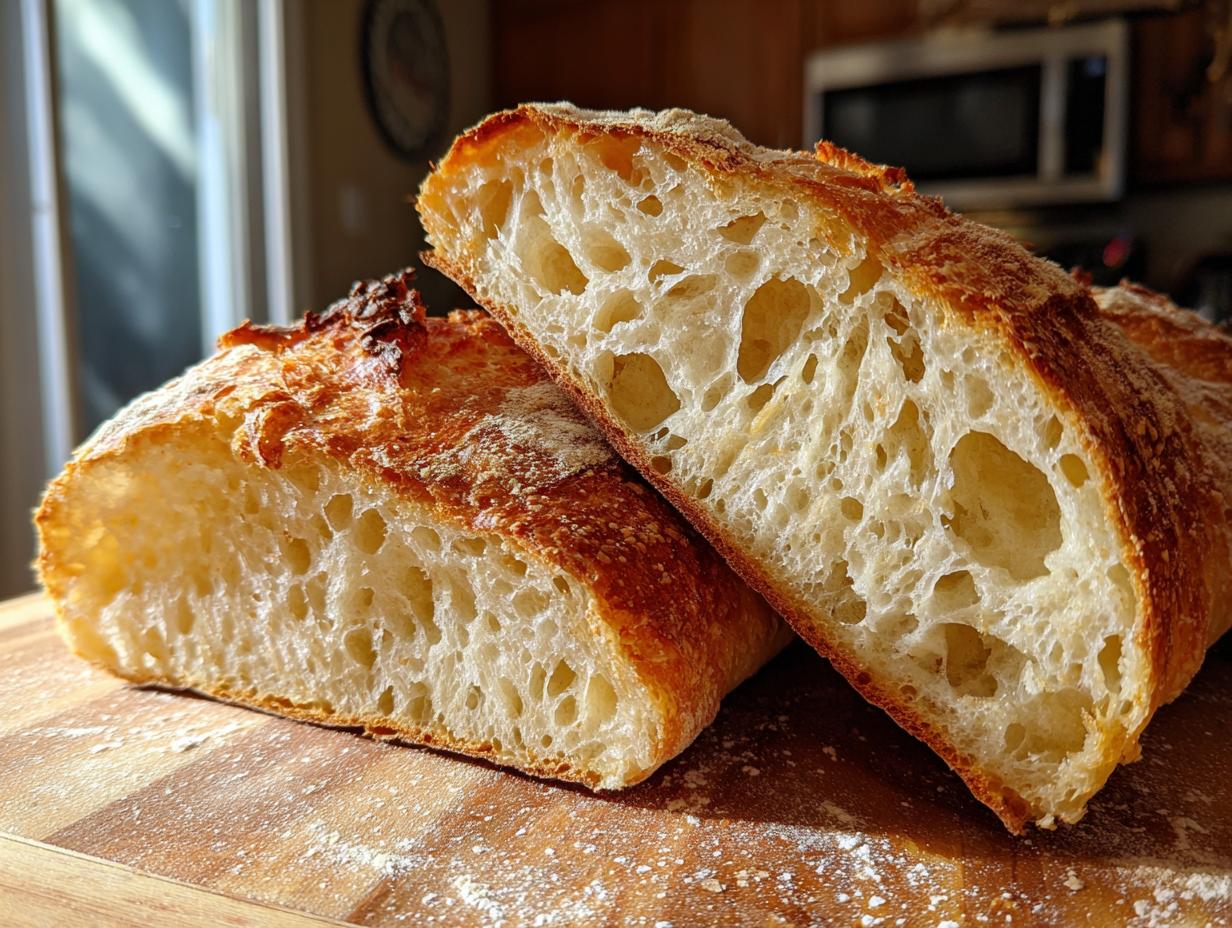
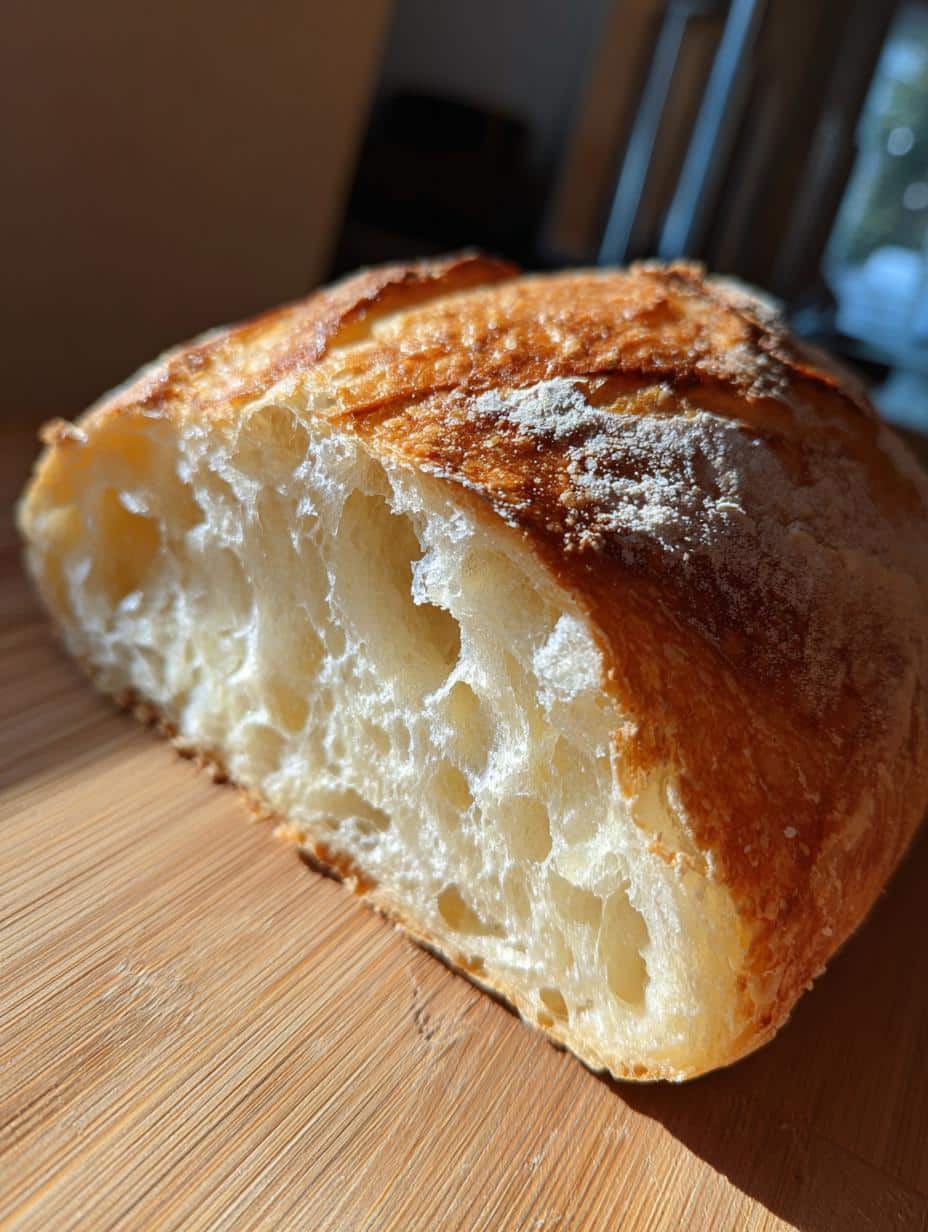
There’s something absolutely magical about baking bread at home, and I’m especially excited to share my recipe for Classic Homemade Ciabatta Bread! This bread is the epitome of comfort, with its crispy crust that crackles when you slice into it and a soft, airy interior that practically begs for a smear of butter or a drizzle of olive oil. The best part? It’s made with just a handful of simple ingredients – bread flour, water, salt, and instant yeast – all of which are easy to find in your kitchen or local store.
Even if you’ve never baked bread before, don’t worry! This recipe is accessible for all skill levels, and I’m here to guide you through each step. You’ll be amazed at how straightforward the process is, from mixing the dough to watching it rise, and finally, to that glorious moment when you pull a golden loaf from the oven. Trust me, the aroma alone will fill your kitchen with warmth and joy. So, roll up your sleeves and let’s get started on this delicious adventure in baking!
Ingredients List
- 500g bread flour: This is the backbone of our ciabatta, giving it that delightful chew and structure.
- 400ml water: Use lukewarm water to help activate the yeast properly. It should feel warm to the touch but not hot.
- 10g salt: This enhances the flavor and helps control the fermentation process.
- 2g instant yeast: Instant yeast is perfect for this recipe as it doesn’t require proofing and works quickly to give our bread that lovely rise.
How to Prepare Classic Homemade Ciabatta Bread
Step 1: Mix Water and Yeast
To kick things off, grab a bowl and pour in your lukewarm water. I usually let it sit for a bit until it’s warm to the touch, but not so hot that it burns your finger—aim for about 38°C (100°F). Sprinkle in the instant yeast and give it a gentle stir just to combine. Let this sit for about 5 minutes. You should see some little bubbles forming, which means the yeast is waking up and getting ready to work its magic!
Step 2: Combine Ingredients
Now, it’s time to bring everything together. Add the 500g of bread flour and the 10g of salt to your yeast mixture. I like to add the salt after the yeast to avoid any direct contact that can inhibit its growth. Using a wooden spoon or a spatula, stir until everything is just combined. Don’t worry about getting a perfectly smooth dough at this point; a few lumps are completely fine. You’re looking for a shaggy, sticky texture that will come together beautifully once you start kneading.
Step 3: Knead the Dough
Once you’ve got your dough combined, it’s kneading time! Lightly flour your work surface and turn the dough out onto it. Knead for about 10 minutes. You’ll want to push the dough away from you with the palms of your hands, fold it over, and repeat. Keep an eye on the texture—it should turn smooth and elastic. If it feels too sticky, sprinkle a little more flour, but be cautious not to overdo it; we want that beautiful chewy texture of ciabatta!
Step 4: Let the Dough Rise
Now, transfer your kneaded dough into a lightly oiled bowl, cover it with a damp kitchen towel or plastic wrap, and pop it in a warm spot in your kitchen. This is crucial for a good rise! Let it sit for about 2 hours until it has doubled in size. You might be tempted to peek, but resist the urge! Just let it do its thing.
Step 5: Shape the Dough
Once your dough has risen beautifully, it’s time to shape it. Lightly flour your work surface again and gently turn the dough out. Be careful not to deflate it too much! Divide the dough into two equal pieces. Using floured hands, shape each piece into a rough rectangle. Try to keep as much air in the dough as possible—this is what gives ciabatta its lovely holes!
Step 6: Second Rise
Place the shaped dough on a floured surface or a floured baking sheet. Cover it again with a damp cloth and let it rise for another 30 minutes. This second rise is key to achieving that airy texture that we all love in ciabatta bread.
Step 7: Preheat the Oven
While your dough is getting that final rise, it’s the perfect time to preheat your oven to 220°C (428°F). If you have a baking stone, pop that in as well for the best crust. If not, a baking sheet works just fine!
Step 8: Bake the Bread
Once the oven is hot and your dough has risen, it’s time to bake! Carefully transfer the dough onto the baking stone or sheet and bake for about 25-30 minutes. You’re looking for a gorgeous golden-brown color. If you tap the bottom of the loaf and it sounds hollow, you’ve got yourself a perfect ciabatta! Let it cool on a wire rack before slicing into it, and get ready for that crispy crust and soft, airy inside!
Nutritional Information
Here’s the estimated nutritional breakdown for a slice of my Classic Homemade Ciabatta Bread. Keep in mind that these values can vary depending on the specific brands and ingredients you use, but they’ll give you a solid idea of what you’re enjoying:
- Calories: 150
- Fat: 1g
- Saturated Fat: 0g
- Unsaturated Fat: 0g
- Trans Fat: 0g
- Cholesterol: 0mg
- Sodium: 350mg
- Carbohydrates: 30g
- Fiber: 1g
- Protein: 5g
- Sugar: 0g
This bread is not only a delightful treat but also relatively light and simple. Enjoy it fresh, and you’ll be savoring every bite!
Tips for Success with Classic Homemade Ciabatta Bread
Making the perfect ciabatta is all about a few key details that can really elevate your baking game! First off, check your dough consistency. It should be sticky and slightly tacky to the touch but still hold its shape. If it feels too dry or crumbly, don’t hesitate to add a splash more water, a tablespoon at a time.
Now, let’s talk kneading. Try not to over-knead the dough! You want it to be smooth and elastic, but if you knead it too long, you can develop too much gluten, making the bread tough instead of airy. Aim for that perfect balance!
As for rising, finding the right spot is crucial. A warm, draft-free area helps the dough double in size. If your kitchen’s a bit chilly, a great trick is to turn your oven on for a couple of minutes, then turn it off and let the dough rise inside with the door closed. Just remember to keep an eye on it!
Lastly, patience is your best friend. Don’t rush the second rise; it’s what gives ciabatta its delightful texture. Trust me, the wait will be worth it when you pull that golden loaf from the oven, ready to be devoured!
Variations of Classic Homemade Ciabatta Bread
Once you’ve mastered my Classic Homemade Ciabatta Bread, the fun really begins! There are so many creative twists you can add to make it your own. Here are a few of my favorites:
- Herb-Infused Ciabatta: Add fresh herbs like rosemary or thyme into your dough during the mixing stage. The aroma while baking will be absolutely heavenly!
- Olive Ciabatta: Fold in pitted, chopped olives for a savory touch. Kalamata or green olives work wonderfully, adding a delightful briny flavor.
- Garlic and Cheese: Mix in roasted garlic cloves and your choice of cheese (like parmesan or mozzarella) for a rich, flavorful loaf that’s perfect for dipping.
- Whole Wheat Ciabatta: Replace half of the bread flour with whole wheat flour for a nuttier flavor and a bit more fiber. Just be mindful that it may need a touch more water to achieve the right consistency.
- Sun-Dried Tomato and Basil: Incorporate chopped sun-dried tomatoes and fresh basil for a Mediterranean twist that’s bursting with flavor.
Feel free to experiment with different combinations too! The beauty of ciabatta is its versatility, so get creative and enjoy the delicious results!
Storage & Reheating Instructions
Now that you’ve baked your Classic Homemade Ciabatta Bread, you’ll want to make sure it stays fresh for as long as possible! To store leftover bread, I recommend placing it in a paper bag rather than plastic. This helps preserve that wonderful crispy crust while keeping the inside soft. If you have a bread box, that’s even better! Just make sure it’s a breathable material to avoid moisture buildup.
If you find you’ve got more bread than you can eat within a few days, you can slice it and freeze it! Just wrap each slice tightly in plastic wrap and then place them in a freezer-safe bag. This way, you can enjoy fresh-tasting ciabatta whenever the craving strikes!
When it comes to reheating, the oven is your best friend. Preheat it to about 180°C (350°F). Place the bread directly on the oven rack or on a baking sheet for about 5-10 minutes. This will help crisp up the crust again while warming the inside. If you’re short on time, you can also pop a slice in the toaster for a quick fix—just be careful not to burn it! Enjoy your ciabatta warm, and don’t forget to pair it with your favorite dips or spreads!
FAQ Section
Q1. Can I use all-purpose flour instead of bread flour for ciabatta?
While bread flour is ideal for Classic Homemade Ciabatta Bread due to its higher protein content, you can use all-purpose flour in a pinch. Just keep in mind that the texture may be slightly different. The bread might not have that same chewy quality, but it will still be delicious!
Q2. What can I do if my dough is too sticky?
If your dough feels overly sticky, don’t panic! A little extra flour can help, but add it gradually – about a tablespoon at a time. Remember, ciabatta dough is meant to be sticky, so it’s a balancing act. You want it to be tacky but still manageable.
Q3. How long can I store my ciabatta bread?
When stored properly in a paper bag or bread box, Classic Homemade Ciabatta Bread can last about 2-3 days at room temperature. For longer storage, slice the bread and freeze it. Just make sure to wrap each slice tightly to maintain freshness!
Q4. Can I make ciabatta bread ahead of time?
Absolutely! You can prepare the dough ahead of time and let it rise in the fridge for a slower fermentation process. Just make sure to let it come back to room temperature before shaping and baking. This method can enhance the flavor and texture!
Q5. What’s the best way to tell if my ciabatta is done baking?
To check if your ciabatta bread is fully baked, give the bottom a tap. If it sounds hollow, that’s a great sign! Additionally, look for a beautiful golden-brown crust. If it’s not quite there yet, give it a few more minutes in the oven.
For more delicious recipes and tips, check out my website or follow me on Facebook!
Print
Classic Homemade Ciabatta Bread: 7 Secrets to Perfection
- Total Time: 2 hours 45 minutes
- Yield: 2 loaves 1x
- Diet: Vegetarian
Description
A simple recipe for making classic homemade ciabatta bread with a crispy crust and soft interior.
Ingredients
- 500g bread flour
- 400ml water
- 10g salt
- 2g instant yeast
Instructions
- Mix water and yeast in a bowl.
- Add flour and salt, stir until combined.
- Knead the dough for 10 minutes.
- Let the dough rise for 2 hours.
- Shape the dough and place it on a floured surface.
- Let it rise for another 30 minutes.
- Preheat the oven to 220°C (428°F).
- Bake for 25-30 minutes until golden brown.
Notes
- Use a kitchen scale for accurate measurements.
- Let the dough rise in a warm place.
- Store leftover bread in a paper bag.
- Prep Time: 15 minutes
- Cook Time: 30 minutes
- Category: Breads
- Method: Baking
- Cuisine: Italian
Nutrition
- Serving Size: 1 slice
- Calories: 150
- Sugar: 0g
- Sodium: 350mg
- Fat: 1g
- Saturated Fat: 0g
- Unsaturated Fat: 0g
- Trans Fat: 0g
- Carbohydrates: 30g
- Fiber: 1g
- Protein: 5g
- Cholesterol: 0mg